
Introduction
In an era where technology constantly reshapes human experience, the idea of contact the disquantified has emerged as a fascinating and complex concept. It represents the intersection between human consciousness and digital abstraction — a point where measurable data meets the immeasurable aspects of thought, emotion, and existence. As modern systems increasingly depend on data and algorithms, understanding how to contact the disquantified helps us explore the deeper connection between humanity and technology. This concept challenges conventional boundaries, urging us to look beyond numbers and metrics toward a more holistic understanding of digital interaction and identity. qoghundo
The Transformation of Human Identity
The concept of identity has always been fluid, money disquantified org but the digital revolution has accelerated this transformation. We no longer exist in one single form. Each individual has multiple versions of themselves — their physical presence, online persona, social media profile, and professional identity. The boundaries between these versions are increasingly blurred.
To contact the disquantified is to recognize that much of who we are now lives in digital spaces. Every like, comment, or shared post is an extension of our consciousness. While technology offers unprecedented convenience, it also demands introspection: Are we still connected to our true selves, or have we become fragmented across platforms?
The Evolution of Communication
Communication has always been central to human evolution. From cave paintings to telegraphs to instant messaging, our need to express and connect remains constant. Yet, the ways we communicate have evolved drastically. We now rely on digital interfaces that translate emotions into emojis and empathy into algorithms. gamifications
When we contact the disquantified, we confront this paradox directly. Digital communication enables global connection, yet it also risks emotional detachment. The richness of tone and nuance sometimes gets lost in translation when filtered through screens. Understanding this new dynamic helps us balance efficiency with authenticity, ensuring that technology enhances rather than diminishes our relationships.
The Digital Self and Data Shadows
Every click, search, and interaction leaves behind a digital footprint — a “data shadow” that quietly builds a version of us beyond our control. This shadow self knows our habits, preferences, and even moods, often better than we do. Tech companies and algorithms continuously shape how others perceive us based on this data.
To contact the disquantified means to engage consciously with this digital extension of ourselves. It requires awareness of how much information we share and how it’s used. In a world where data is power, understanding one’s digital identity becomes an act of self-preservation. bx41 sbs
The Psychology of Digital Existence
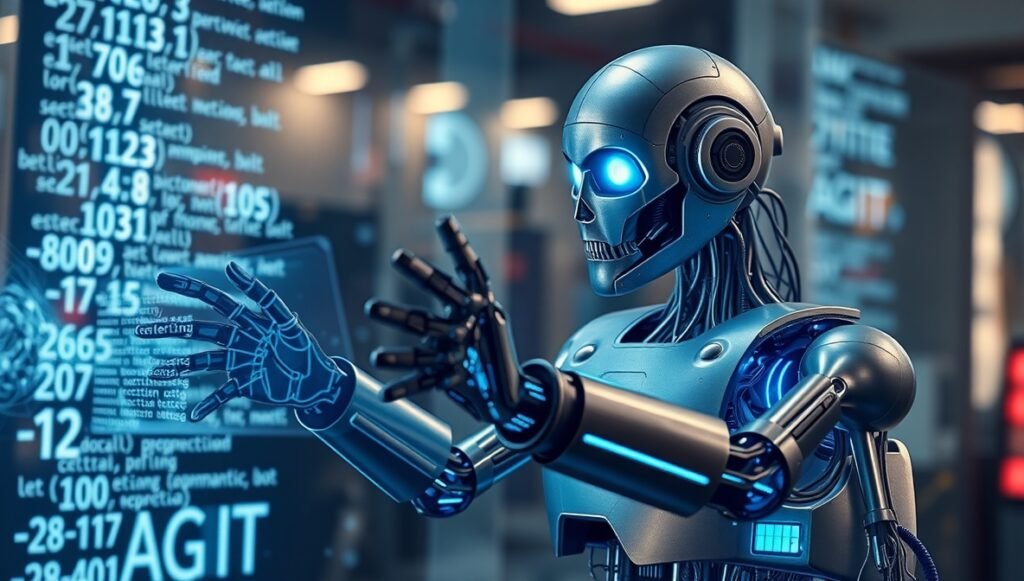
The psychological implications of living online are profound. Humans are social beings, wired for connection and validation. Social media platforms exploit this innate need through endless streams of feedback — likes, shares, and comments. While these features foster engagement, they also fuel anxiety and comparison.
By learning to contact the disquantified, we can differentiate between our authentic emotions and those manipulated by algorithms. It means asking ourselves: are we posting for genuine expression or external approval? Understanding this distinction helps restore balance between our inner self and our online projection. gmrrmulator
Technology and the Redefinition of Presence
Presence used to mean being physically there — feeling, seeing, and hearing in real time. Today, presence can exist without proximity. Virtual meetings, online classrooms, and digital friendships redefine what it means to “be there” for someone. Yet, this redefinition challenges our understanding of intimacy and empathy. uploadblog
To contact the disquantified is to accept that presence is now multidimensional. A video call may lack physical warmth but can still convey care and connection. The goal is not to reject digital forms of interaction but to humanize them — to infuse emotion, mindfulness, and authenticity into virtual spaces.
The Role of Artificial Intelligence in Connection
Artificial intelligence has become an invisible companion in daily life — from virtual assistants to personalized recommendations. It learns from behavior, predicts preferences, and even mimics emotional responses. While this technology can enhance convenience, it also blurs the line between human and machine interaction.
When we contact the disquantified, we enter this intersection of human emotion and artificial logic. AI-driven systems analyze our words and patterns to respond empathetically, but can machines truly understand human feeling? The answer lies not in rejecting technology but in ensuring that empathy remains central to digital design. meltingtopgames
The Ethics of a Digital Society
Ethical questions now shape every aspect of our online existence. Who owns our data? How do we ensure consent, transparency, and accountability? In a world driven by information exchange, ethical frameworks must evolve to protect both individuals and communities.
To contact the disquantified ethically is to act with digital responsibility — to recognize the consequences of every online action. It means understanding that privacy, respect, and truth have the same moral weight online as they do offline. Digital citizenship requires empathy and awareness as much as technological literacy.
The Art of Balancing the Real and the Virtual
Modern life demands a constant balancing act between online and offline realities. Work, education, entertainment, and socialization now coexist in hybrid spaces. This integration can either enrich or overwhelm, depending on how consciously we navigate it.
When we contact the disquantified, we seek equilibrium — learning to move fluidly between digital engagement and physical experience. Mindful use of technology allows us to maintain presence in the real world while still benefiting from virtual possibilities. Detachment from constant connectivity can restore creativity, focus, and emotional depth.
The Impact of Virtual Reality and Metaverse on Identity
Virtual reality (VR) and the metaverse are redefining how people experience existence. In these spaces, users can create avatars, explore new worlds, and live alternate lives unrestricted by physical limitations. This freedom can be liberating, but it also challenges our perception of authenticity.
To contact the disquantified in such environments is to understand that the digital self is no longer merely a reflection — it’s an active participant in shaping identity. Virtual spaces enable exploration of selfhood, gender, and creativity in ways impossible in the physical world. However, this also raises questions about escapism and disconnection from tangible reality.
The Role of Digital Minimalism
Amid constant digital noise, many people are turning to digital minimalism — the intentional reduction of technology use to focus on what truly matters. This movement advocates quality over quantity in digital interactions, promoting mindfulness and deeper engagement.
When individuals contact the disquantified, they begin to filter distractions and redefine their relationship with technology. Instead of endless scrolling and notifications, they prioritize meaningful connections and authentic exchanges. This conscious approach restores agency and ensures that technology serves human needs, not the other way around.
Emotional Intelligence in the Digital Era
As interactions move online, emotional intelligence becomes more critical than ever. Reading emotions through text or emoji requires empathy, attentiveness, and patience. Miscommunication is easy when tone and facial cues are missing.
Learning to contact the disquantified emotionally means enhancing digital empathy. It involves pausing before reacting, interpreting context, and responding with understanding. Emotional intelligence bridges the gap between the mechanical and the humane, ensuring technology supports, rather than replaces, emotional depth.
Creativity and Expression in the Virtual Space
The digital age has democratized creativity. Anyone with a smartphone can share art, music, or writing with a global audience. Social platforms, streaming tools, and virtual galleries have empowered millions to express themselves.
To contact the disquantified creatively means using technology as a canvas for imagination rather than a barrier. It’s about transforming data into art and algorithms into inspiration. Digital spaces, when used intentionally, amplify the human capacity to dream, innovate, and connect.
Digital Communities and Collective Growth
Communities have always been the backbone of civilization, and now they thrive online in new forms. From virtual book clubs to global advocacy groups, people gather digitally to share passions, ideas, and goals. These spaces promote inclusivity and collaboration across borders.
Engaging in contact the disquantified enables participation in such digital communities consciously and respectfully. By valuing authenticity over popularity, individuals can foster meaningful networks that inspire collective learning, social action, and emotional support.
The Fragility of Digital Truth
In the information age, truth has become fragmented. Deepfakes, misinformation, and manipulated narratives challenge the reliability of what we see online. Trust, once the foundation of communication, is now under constant scrutiny.
To contact the disquantified responsibly is to practice discernment. It involves verifying sources, questioning biases, and understanding how algorithms shape perception. Cultivating digital literacy empowers individuals to navigate truth amid the noise of online discourse.
Digital Legacy: The Self That Outlives Us
One of the most fascinating aspects of digital identity is its permanence. Even after a person passes away, their online presence continues to exist — through posts, photos, and memories shared across platforms. This creates a form of immortality unprecedented in human history.
To contact the disquantified in this sense is to acknowledge our digital afterlife. It raises profound questions: Who manages our online data after death? What happens to our virtual selves? Understanding and planning for digital legacy ensures our stories are preserved respectfully and meaningfully.
The Interplay Between Privacy and Connectivity
Privacy and connection often exist in tension. The more connected we become, the more data we share — and the more vulnerable we are to intrusion. Balancing openness with security is one of the defining challenges of modern digital life.
By striving to contact the disquantified, individuals learn to safeguard personal boundaries while still engaging meaningfully with others. This involves mindful sharing, strong digital hygiene, and awareness of how platforms collect and use data. True connection requires trust, and trust demands protection.
The Next Frontier: Human-AI Symbiosis
As artificial intelligence evolves, humanity stands on the edge of a new partnership. The future may not be about humans versus machines but humans and machines co-creating together. This collaboration could redefine art, medicine, education, and even empathy itself.
When we contact the disquantified, we prepare ourselves for this evolution. We learn to use AI as a tool of enhancement rather than replacement — a collaborator in creativity, understanding, and exploration. The key lies in keeping human values at the center of technological progress.
Building a Meaningful Digital Future
The future of human connection will be shaped by how consciously we engage with technology. Education, design, and ethics must align to create systems that honor humanity while advancing innovation.
To contact the disquantified is to take responsibility for this future — to ensure that our digital evolution remains grounded in empathy, awareness, and integrity. The challenge is not in technology itself but in how we use it to reflect the best aspects of our nature.
Reconnecting With Authenticity
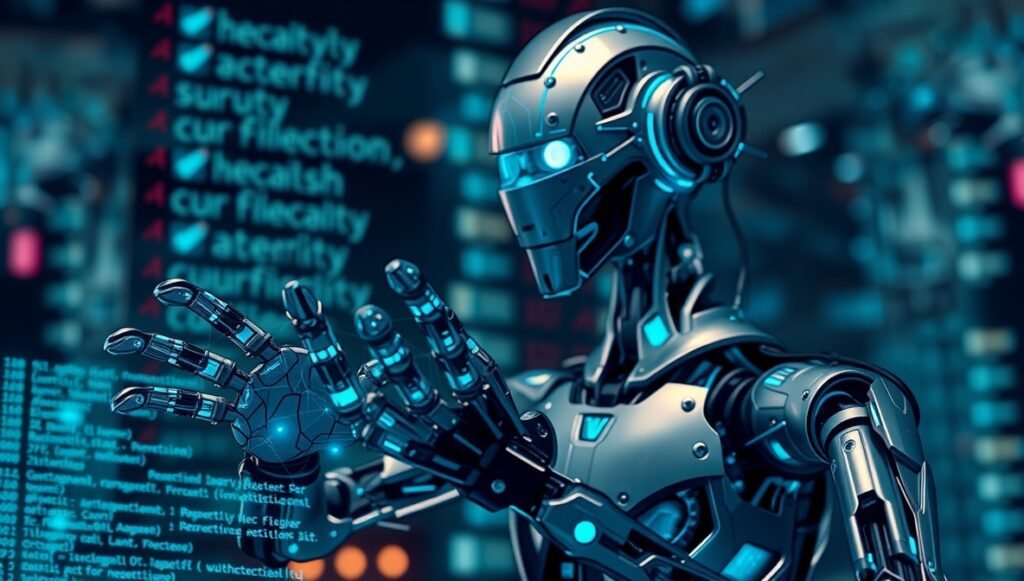
In the end, all technology points back to a fundamental desire: to connect. Beneath every message, post, and virtual interaction lies the same human need for understanding and belonging. The digital world doesn’t replace this need; it amplifies it in new forms.
By learning how to contact the disquantified, we rediscover authenticity amid noise. We learn that while technology may extend our reach, true connection still depends on honesty, compassion, and presence. It’s a reminder that in every digital byte, there’s still a heartbeat waiting to be heard.
Conclusion: The Digital Soul of Humanity
The 21st century has given humanity an incredible gift — the ability to exist, create, and connect beyond physical limits. Yet, with that gift comes the responsibility to stay human amid algorithms and automation. The digital realm mirrors us: our desires, fears, creativity, and compassion.
To contact the disquantified is to embrace this mirror, not with fear but with wisdom. It’s about understanding that behind every screen is a story, behind every interaction a person, and within every data point a spark of consciousness.
The future of human connection depends on our ability to merge technology with empathy — to weave together code and compassion. As we step into this evolving world, our task is not to escape digitization but to humanize it, ensuring that the essence of connection remains timeless, boundless, and profoundly real.


